Garden's Next Chapter: 2026
Updates
TL;DR, We're building Bitcoin infrastructure that doesn't compromise on trust or usability. 2026 brings decentralized solvers, zero-confirmation swaps, limit orders, and Garden integration across the apps you use daily.
The Trade-Off That Shaped Bitcoin's History
For most of Bitcoin's history, users have faced an impossible choice: keep full control of your Bitcoin, or actually do something with it. Billions of dollars in Bitcoin move through centralized exchanges every single day. These systems work in spite of Bitcoin's core values, not because of them. Bitcoin was designed to eliminate trusted intermediaries, yet most Bitcoin liquidity today depends entirely on them.
Over the years, we've watched countless attempts to solve this problem. Some offered wrappers and custodians that sacrificed trust for convenience. Others built trust-minimized systems that sacrificed usability to stay "pure." Each approach solved part of the puzzle, but none managed to solve the whole thing at once.
Garden exists because that gap never closed. There is no other product that delivers fast, low-cost, trustless Bitcoin swaps at scale. We believe it would be a genuine disservice to this space if we didn't use everything we've learned to push as far as possible; to make trustless Bitcoin trading accessible not just to power users, but to everyone.
From day one, we've treated trustlessness as a requirement, not a feature. That principle has guided every design decision we've made, and it continues to guide where we're headed next. As Bitcoin's role in the global financial system grows, the cost of compromising on trust only increases.
Where We Stand Today
Garden has processed over $2 billion in Bitcoin volume across multiple chains. Soon, we'll be powering swaps inside the wallets you use every day.
The past year pushed us further than we expected. It validated that the problem we're solving is real, persistent, and painfully unsolved. At the same time, it exposed exactly where we need to improve.
Building a Fully Decentralized Solver Layer
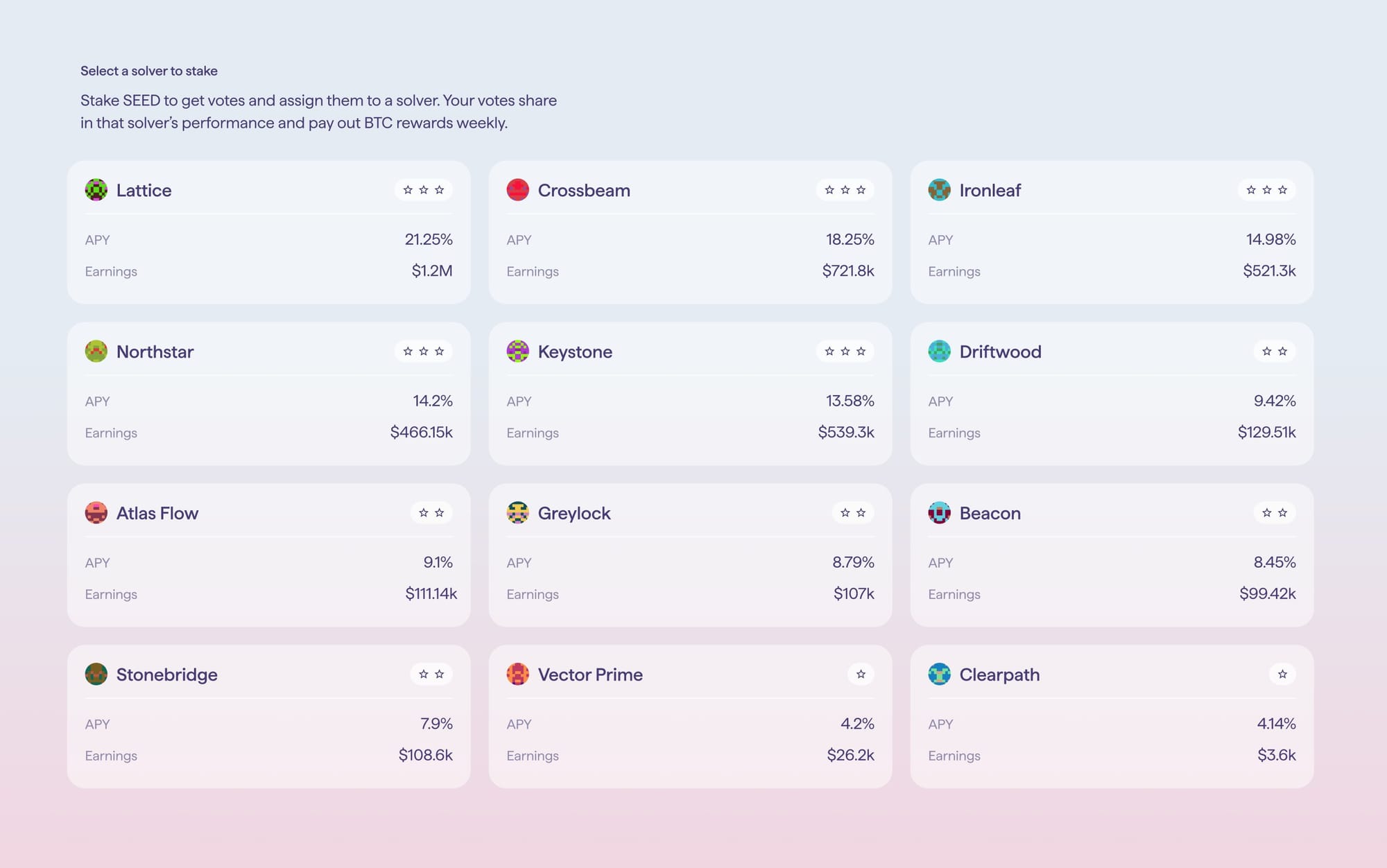
Garden was designed from the ground up to ensure the best rates, no matter what. That means multiple independent solvers competing to fulfill each swap. Solver decentralization is the final step in delivering on that promise.
Our decentralized execution infrastructure is now live on testnet, and the first solvers are actively onboarding. Execution rights will be determined through open competition, and participation is completely permissionless. Anyone can become a solver.
The auction mechanism runs inside a Trusted Execution Environment, which means execution decisions are made in a verifiable, tamper-resistant way. This architecture also lays the groundwork for trustless multi-solver execution, allowing a single swap to be fulfilled by multiple solvers when the situation calls for it.
With decentralized solvers in place, supporting a new chain becomes remarkably simple: deploy a Hashed Timelock Contract, run a solver, and start competing for execution.
If you're interested in becoming a solver for Garden, we're currently onboarding the next cohort. Head to our Discord to learn more or apply here.
Preventing Abuse at Scale
Any system that moves real value without custody will attract adversarial behavior. At small scale, basic address screening might be enough. At real scale, it falls dramatically short. We've seen this firsthand.
Preventing abuse in a trustless system isn't a solved problem, and anyone claiming otherwise is oversimplifying the reality. Our approach is layered and constantly evolving. We maintain best-practice address screening, but we treat it as a baseline rather than a complete solution.
On top of that, we've built deep integrations with exchanges to get data directly from the source. The harder work involves detecting emerging patterns ourselves and responding quickly when behavior deviates from what we'd expect.
We're building internal systems to monitor activity across the ecosystem and impose targeted solver-level constraints when suspicious patterns emerge. The goal is to reduce abuse without degrading the swapping experience for legitimate users. This work will continue to evolve throughout 2026. Expect more developments on this front as we refine our approach.
Instant Bitcoin Swaps
On the product side, there's one piece of Bitcoin user experience we desperately wish we could eliminate: confirmations.
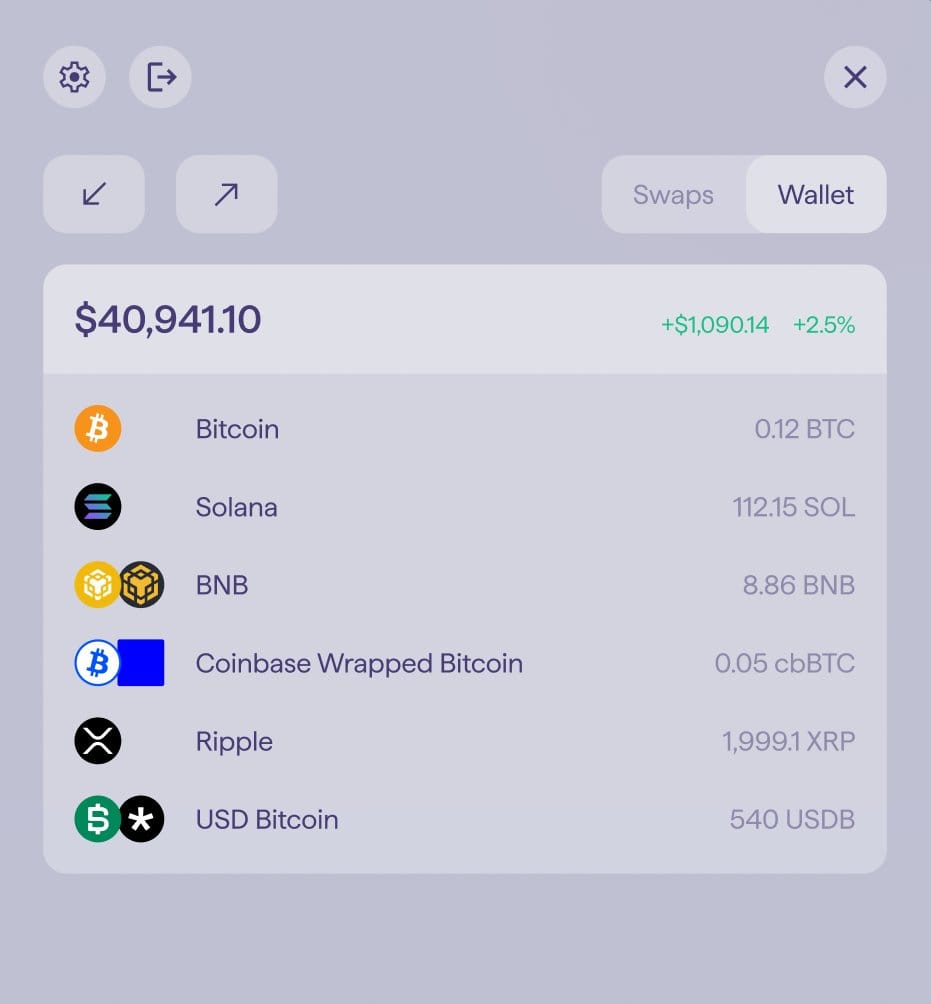
Bitcoin block times are probabilistic by design. That fundamental property doesn't map well to modern trading expectations, where users expect instant execution. Over the past year, we explored multiple approaches to solve this problem without introducing custody. The solution we've landed on uses an embedded wallet with Bitcoin resource locks. Users deposit once, then trade instantly while remaining completely trustless. We're excited to trial this experience within Garden in 2026.
More Bitcoin Trading Primitives
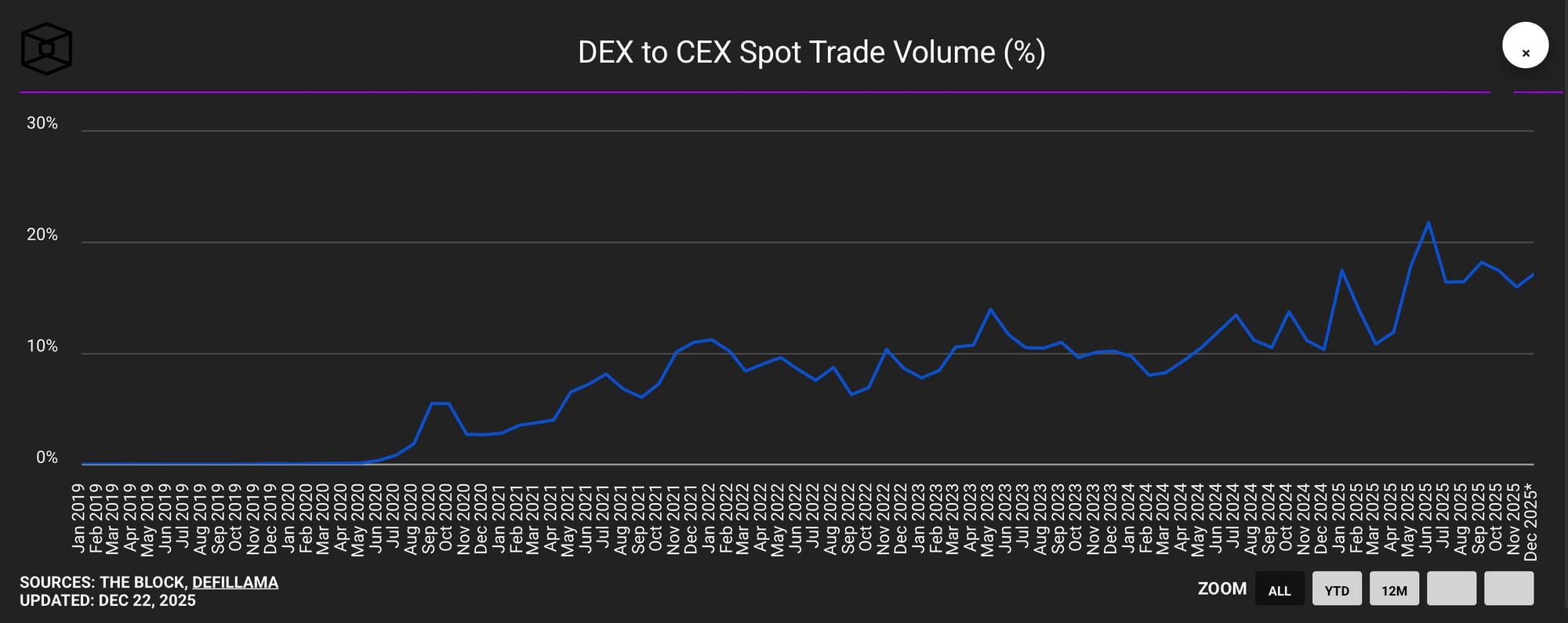
Decentralized trading reached all-time highs in 2025. Perpetual DEXes finally delivered the liquidity and execution quality that users had been missing for years. But most of that progress stopped short of Bitcoin itself.
Perpetuals let users trade price exposure without touching the underlying asset, which means Bitcoin stays abstracted away from the actual trading experience. When users want spot trading, limit orders, or simply to onboard with their BTC, the experience still depends on custodial solutions.
That's the gap Garden is closing.
As our protocol matures, Garden will support native Bitcoin trading primitives, starting with limit orders, while keeping Bitcoin completely self-custodied and all swaps atomic. No wrappers, no intermediaries, just Bitcoin moving the way it was meant to.
Garden Everywhere
Some of the most important work we shipped in 2025 was completely invisible to most users.
We invested heavily in clean, composable APIs and SDKs. Bitcoin support can now be integrated into an app, wallet, or aggregator in under a day, without anyone needing to understand the complex internals of cross-chain bridging.
That foundational work compounds in 2026. You'll start seeing Garden quietly powering Bitcoin movement across many more of the applications you already use daily. The goal isn't brand visibility; it's making trustless Bitcoin swaps available everywhere they should be.
Looking Ahead
We've been building Bitcoin bridges long enough to watch most approaches fail. Some failed because they relied on custody. Others because they couldn't scale to meet real demand. A few failed because they prioritized purity over usability, or vice versa.
Garden exists because we refuse to accept those trade-offs as inevitable. What we've built today proves that trustless Bitcoin interoperability is not only possible, it's practical. The next phase is about depth: decentralized solvers that stay competitive as volume grows exponentially, execution guarantees that don't sacrifice user experience, and a more complete trading experience that respects what Bitcoin was designed to be.
None of this work is easy. If it were simple, someone would have already built it. We're building infrastructure designed to handle 1,000x our current usage without breaking. Bitcoin deserves trading infrastructure that respects how it was designed to move; trustlessly, permissionlessly, and without ux compromise.
That's what we're working toward. And we're still early.
Last updated